
History of DRC
A brief look...
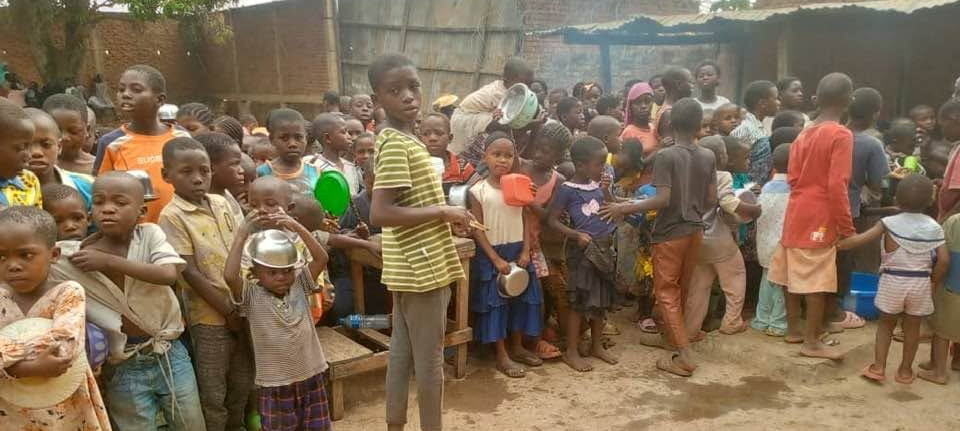
Population
The Democratic Republic of the Congo (DRC) is the second-largest country in Africa by land area, covering approximately 2.3 million square kilometers—an area comparable to much of Western Europe. It has a population of more than 110 million people and is home to over 200 ethnic groups. French is the official language, while Swahili, Lingala, Kikongo, and Tshiluba are recognized as national languages.

"TwangizaArticanalMiners" by USAID_IMAGES is licensed under CC BY-NC 2.0.
Wealth & Poverty
The DRC is one of the world's richest countries in terms of natural resources, with vast deposits of cobalt, copper, diamonds, gold, coltan, and other valuable minerals. Although estimates of the country's total natural wealth have reached trillions of U.S. dollars, these figures are highly uncertain and should be interpreted with caution. Despite its immense resource wealth, the DRC continues to face widespread poverty due to decades of political instability, conflict, corruption, and limited infrastructure.

"Prince Bernhard and Mobutu Sese Seko 1973" by Mieremet, Rob / Anefo is licensed under CC BY-SA 3.0.
War
From 1965 to 1997, the country was ruled by President Mobutu Sese Seko, whoseauthoritarian government contributed to economic decline, weak institutions, and widespread corruption. Following the collapse of his regime, the First Congo War (1996–1997) and the Second Congo War (1998–2003) devastated the country. The Second Congo War involved the armed forces of several African nations and numerous rebel groups, earning it the nickname "Africa's World War". The conflict and its humanitarian consequences resulted in an estimated several million deaths from violence, disease, and starvation, making it one of the deadliest conflicts since World War II.
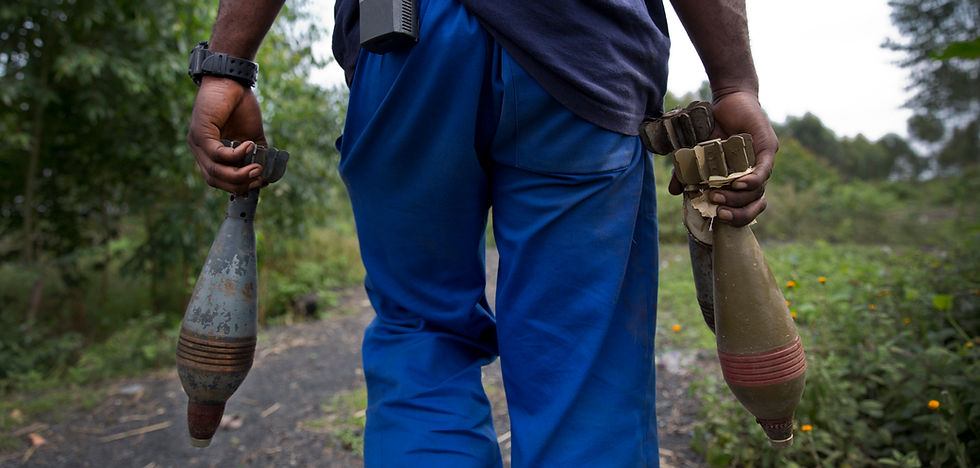%20in%20Eastern%20DRC_%20by%20United%20Nations%20Photo%20is%20licen.jpg)
"MONUSCO clears Unexploded Ordnance (UXO) in Eastern DRC" by United Nations Photo is licensed under CC BY-NC-ND 2.0.
Effects of Violence
Although the official wars ended in 2003, armed groups have continued to operate, particularly in the eastern provinces. Ongoing violence has displaced millions of people and exposed many civilians to human rights abuses, including sexual violence, torture, forced displacement, and other severe forms of trauma. Today, the DRC continues to work toward peace, stability, and sustainable development while addressing the lasting impacts of decades of conflict.